The superfood has been known to Amazon tribes for over 1,000 years, but the whole civilized world learned about the health benefits of the berry only at the end of the 20th century.
The indigenous peoples of Amazonia call the acai palm the 'tree of life' and have long known about its healing qualities. The fruits actively make up to 40% of local tribes' diets. In areas where large quantities of acai are consumed, people rarely encounter cancer or skin diseases despite prolonged sun exposure without clothing — they look younger than their years and remain healthy and energetic for a long time.

Tropical Exclusive
Exotic acai berries ripen on the Euterpe palm, which grows naturally in Latin America — Brazil, Colombia, Venezuela — near river banks. The berry grows only in the wild tropical jungles of the Amazon, which is why it cannot be cultivated or artificially farmed.
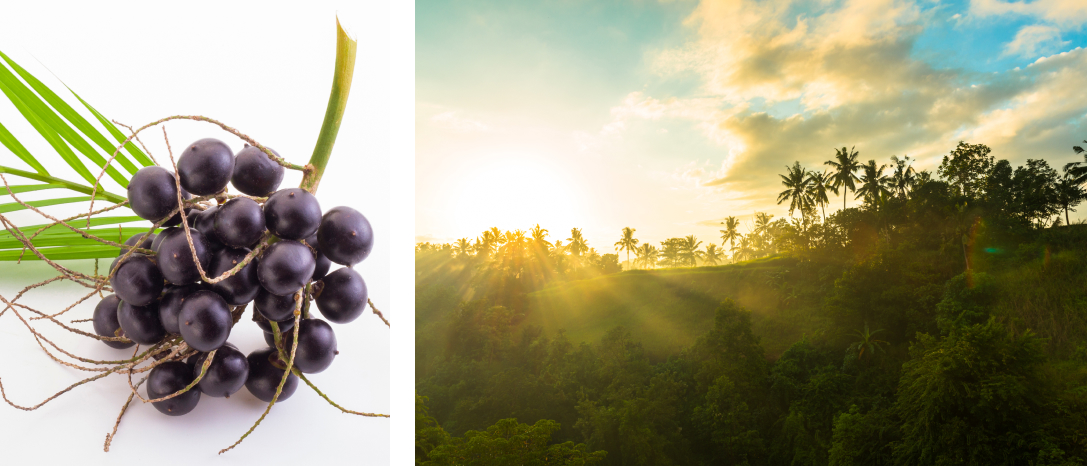
Delicate Harvesting
Acai berries are very delicate and soft and can only be harvested by hand. Harvesters must climb to the height of the palm — about 30 meters — cut a branch, lower it to the ground, and process it without mechanical tools.
The berries are small and round, dark purple, externally resembling grapes or blueberries. Their composition is packed with powerful antioxidants, minerals, vitamins, and plant fats. The taste varies by person: some find it reminiscent of raspberry, chocolate, or nuts. To obtain all nutrients, berries must be eaten freshly picked within a day or used frozen. Since fresh export is impossible, acai is either frozen or dried and ground into extract.

Champion Among Antioxidants
Thanks to a wide spectrum of nutrients, acai berries have a positive effect on human health. The pulp is low-calorie yet contains many healthy fats. Acai also contains significant amounts of fiber, protein, vitamins A, B, C, and E, calcium, iron, microelements, and antioxidants. Acai berries contain more antioxidants than any other product, including red wine, blueberries, blackberries, and raspberries.
The biologically active substances in acai support lipid and carbohydrate metabolism, collagen synthesis, and connective tissue functions, help increase tone during physical and mental fatigue, strengthen blood vessels and capillaries, increase their elasticity, and exhibit antioxidant activity by protecting cells from free radicals.
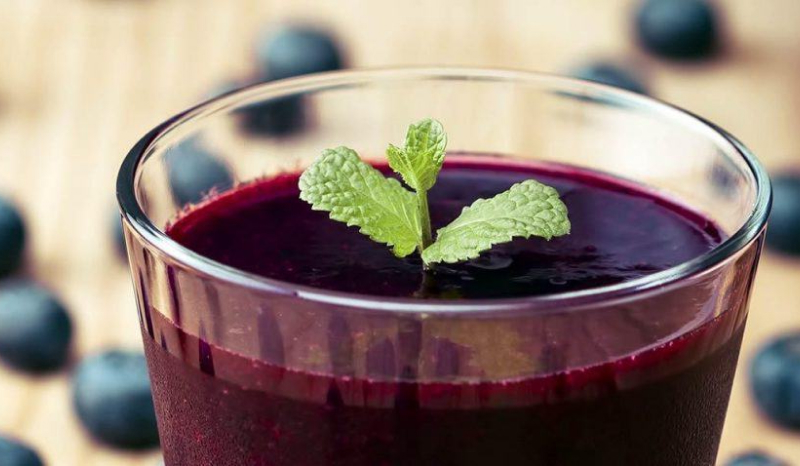
Rich Composition
Vitamin C accelerates collagen fiber synthesis and has anti-inflammatory effects. Vitamin A promotes rapid cell recovery and tissue regeneration, participates in oxidation-reduction processes, and nourishes the skin. Vitamin E reduces healing time for skin damage and accelerates the lightening of age spots. Vitamin B3 dilates and strengthens small vessels and stimulates digestive enzyme production in the liver and pancreas.
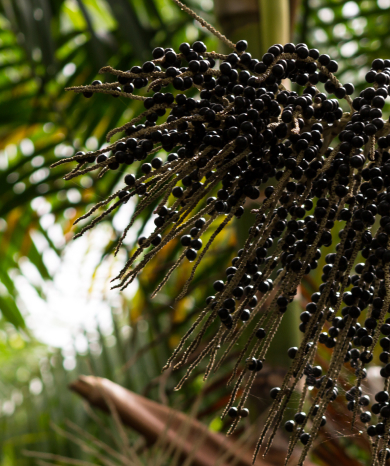
Omega acids in acai help absorb vitamins A, E, D, and K and reduce the risk of cardiovascular disease. Potassium helps control heart rhythm, manganese improves digestion and promotes cartilage restoration. Zinc participates in preventing viral and infectious diseases and in synthesizing anabolic hormones including insulin. Calcium normalizes acid-base and water balance and is essential in a child's diet for bone development.

Acai berries have a beneficial effect on brain activity: accelerated blood circulation improves memory, concentration, and performance. Amino acids and vitamins in acai pulp influence serotonin and dopamine production — responsible for good sleep and muscle relaxation after a long day or intense workouts.