No plant has such diverse applications as bamboo. Scientists compile catalogues of thousands of uses for this graceful grass that grows naturally everywhere except Europe and Antarctica, but thrives best in Asia.
A perennial evergreen plant related to wheat, rye, corn, and other grasses, bamboo is rightfully considered the fastest-growing plant on the planet.

Saving Lives
For 2,000 years, bamboo was universally used to build bridges, dwellings, watercraft, household utensils, and musical instruments. The Chinese made bamboo needles for medical operations only tenths of a millimeter thick, as well as water pipes used until the 3rd century BC to transport salt water from springs to Zu-Liu-Ching (Suchian province).
In just a few months, bamboo can grow to 30 m, while many trees require years to do so. Bamboo is known not only for its growth rate but also for its ability to break through even thick asphalt or concrete.
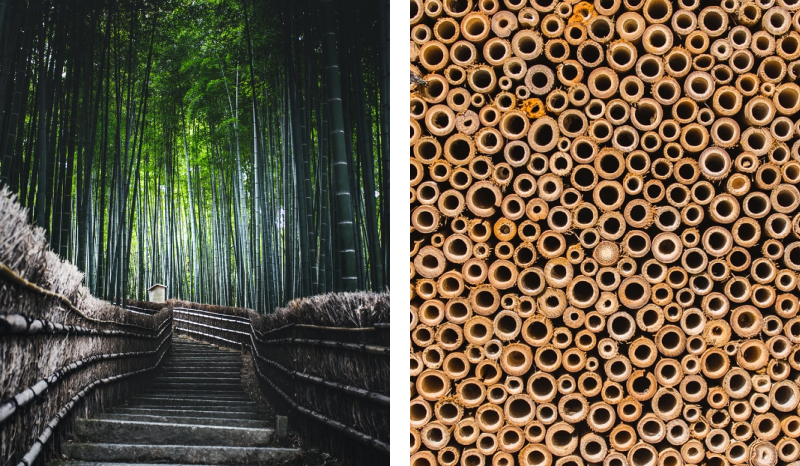
The Foundation of Everyday Life
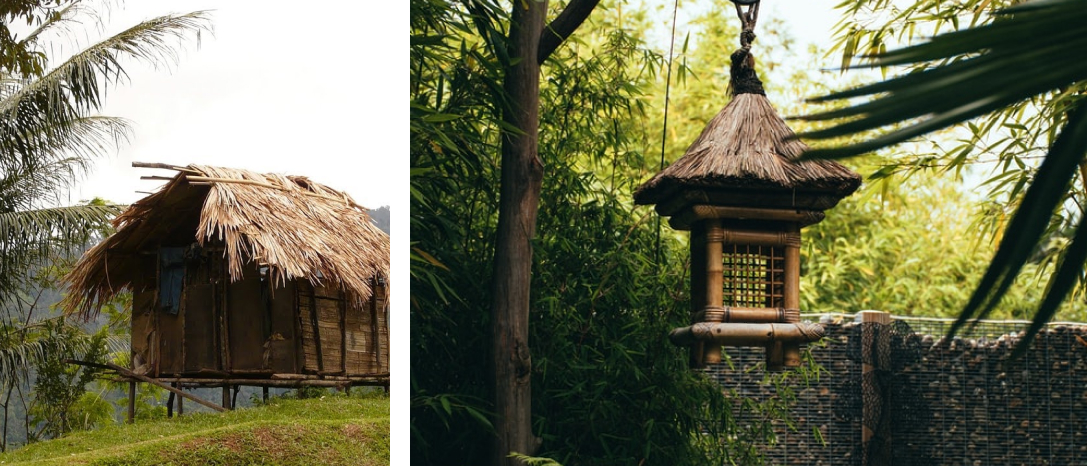
Because bamboo immediately puts out new shoots after cutting and recovers quickly, its industrial use is far more cost-effective than other plants. Its hard, light, and very strong wood can be used to build houses. Once, the entire capital of Thailand rested on bamboo rafts. Bridges and water pipes were built from bamboo.
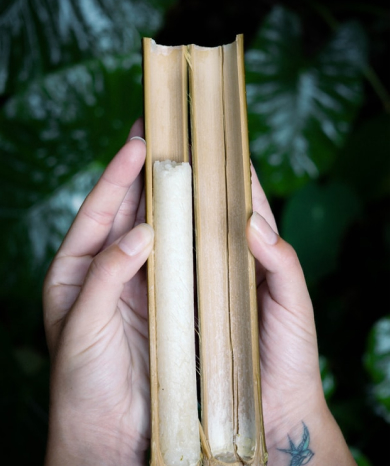
Bamboo is traditionally used to make furniture and household items: hats, woven baskets and curtains, chopsticks, and much more. Bamboo chips with a wedge-shaped cross-section have a very hard and sharp outer edge, making them usable as a knife.
Asia's Favorite
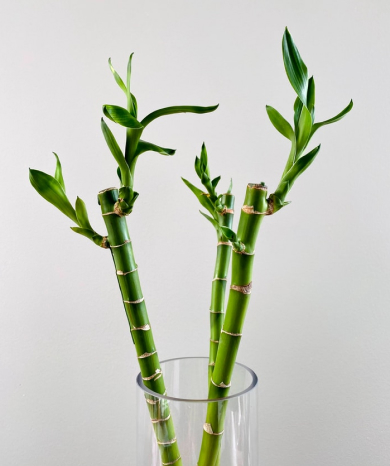
In natural conditions the plant is found in Indochina and southern China's Yunnan province. Bamboo reached Europe in the 18th century as a greenhouse plant and now has not only decorative applications but also pharmacological and cosmetic uses.
For all its attributed properties, bamboo's chemical composition resembles a cucumber: over 90% water, with about 10% beneficial substances — minerals, protein, polysaccharides, and fiber. Its shoots contain vitamins A, B6, E, thiamine, niacin, riboflavin, folic and pantothenic acids, as well as calcium, phosphorus, magnesium, potassium, manganese, sodium, zinc, copper, selenium, and iron.
Bamboo extract is found in medicines against varicose veins, tissue pastosity, bruises, vascular networks, and cellulite. Leaf extract strengthens vascular walls, tabasheer (stem core extract) increases skin elasticity, and bamboo powder cleanses pores and the dermis.
Bamboo promotes gradual weight loss. Its balanced nutritional profile makes it ideal for those who want to lose weight without constant hunger. Its high dietary fiber content aids digestion and intestinal peristalsis. Vitamins, minerals, and antioxidants in bamboo shoots strengthen immunity, and its low fat and calorie content benefits intestinal function.

Once in a Lifetime
Bamboo has one peculiarity: at the age of 33–66 years, plants of one group descended from a common parent flower only once in their lives, then die simultaneously. The gigantic plants become covered with large flowers that consume all the sugar reserves from the stem, and after fruiting the bamboo dies. Remarkably, bamboos of the same species flower simultaneously regardless of location — bamboo in Jamaica blooms at the same time as bamboo grown in England.
Vitamins, minerals, and antioxidants in bamboo shoots contribute to strengthening immunity. Thanks to its negligible fat content and low calorie content, bamboo also has a beneficial effect on intestinal function.