Chinese Angelica
Angelica was first described by Carl Linnaeus in 1753. The scientific name of the plant is Angelica sinensis; it is also known as 'female ginseng' and 'medicinal angelica'. In botanical references, it is called Angelica — the name is believed to derive from Latin. According to legend, an angel himself revealed the plant's medicinal properties.
The homeland of the plant is traditionally considered to be the Scandinavian countries, where it originally grew in the wild. Angelica was brought to the European continent in the 14th century, from where it began to spread to other regions. Currently, the largest plantings are found in Northern and Central Europe, Georgia, and Russia.

The Herb of Angels
Angelica has been considered a medicinal plant since ancient times, with a positive effect on the immune system and the whole body. Wild angelica came from North Africa to European countries and Russia several centuries ago. Since then, angelica has become a popular garden plant. It was often grown in monasteries and called 'angel's herb' or 'herb of angels'. The moment of angelica's blooming in warm countries falls on May 8 — the feast day of Saint Michael the Archangel — hence its name 'Angelica archangelica'.

Powerful Impact
Thanks to the main components of the plant — phytoestrogens, essential oils, ferulic acid, polysaccharides, vitamin B12, and iron — Chinese angelica can be compared in healing properties to ginseng.
Chinese angelica improves peripheral blood circulation, dilates blood vessels, reduces blood viscosity and the risk of thrombosis. It has an analgesic effect. It raises hemoglobin levels and is used in the treatment of anemia. It normalizes the functioning of the nervous system, normalizes difficult breathing, normalizes blood pressure, and increases the body's defenses.
The Angelic Fragrance
It is known that angelica has a pleasant aroma. Few people know that this persistent smell comes from the high content of angelica essential oil. All parts of the plant are rich in it, with the largest amount found in the seeds and roots.
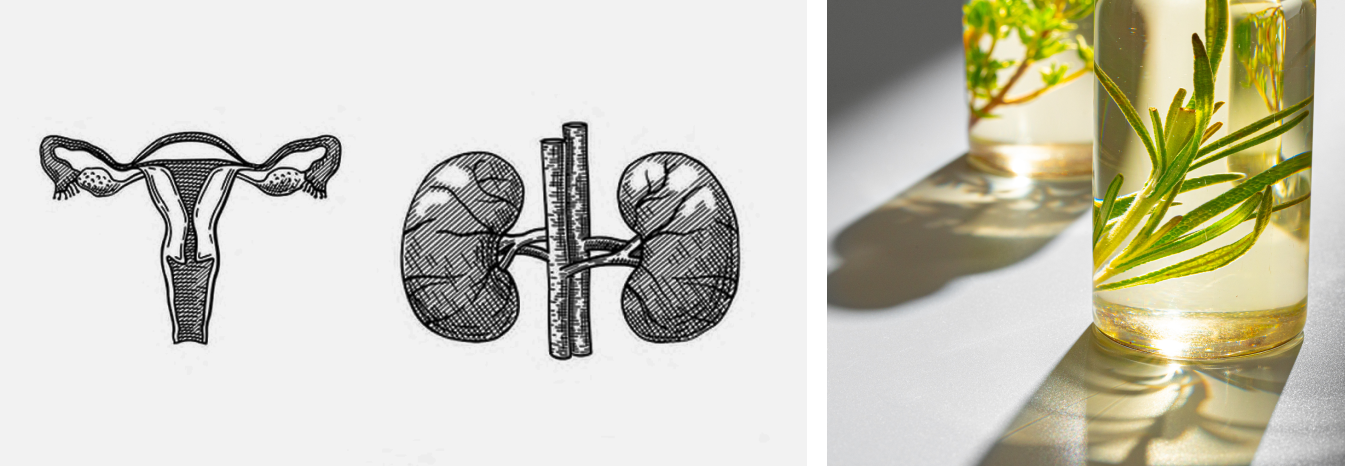
Due to its essential oil, Chinese angelica has antispasmodic and antimicrobial effects and is recommended for respiratory diseases. It also acts as a uroseptic, has a diuretic effect, and is used for inflammatory diseases of the genitourinary system.